PROFILING THE POOR: How bias undermines urban security
What the report says
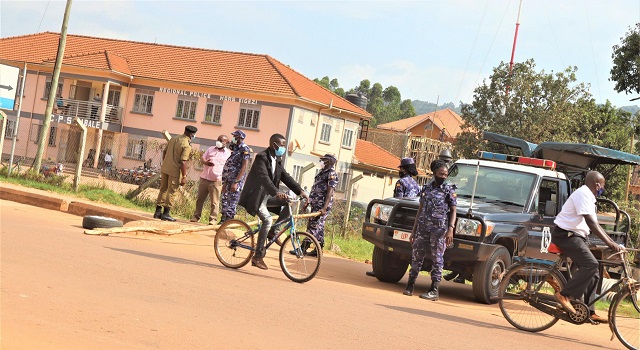
In an October 14, 2026 commentary for The Independent Uganda, security practitioner Mathias Rukuba argues that urban safety can be weakened when officers rely on assumptions about poverty or appearance instead of evidence. His piece says that in fast-growing cities such as Kampala, people in neighbourhoods including Kisenyi, Katwe, Bwaise, Kamwokya, Makindye and downtown can be unfairly treated as suspicious because of where they live, what they wear, how they speak or the kind of work they do.
Rukuba’s central point is that profiling the poor is not only discriminatory but also an operational flaw. He says inconsistent screening can create blind spots, because people who appear respectable may receive too little scrutiny while others face unnecessary questioning or delays. The commentary also warns that this kind of treatment can reduce public cooperation, making residents less willing to share information with security agencies.
The article calls for intelligence-led security, fair screening procedures, training on unconscious bias and stronger supervision of officers. It also suggests that communities in low-income urban areas should be treated as partners in prevention rather than automatic suspects. While the column is focused on Kampala, its broader message is about the balance between effective policing and public trust as African cities continue to expand.
Loading debate for this article…
Other publishers covering this story
No additional verified coverage is currently clustered with this report.
Related reporting
 End child marriage, invest in girls' rights - Daily MonitorDaily Monitor
Experts warn Uganda against quitting ICC - Daily MonitorDaily Monitor
What happens when entertainment is no longer scarce but attention is? - Daily MonitorDaily Monitor
SHADIA NAMAKAIRE: Economic Growth Must Translate into Household Prosperity and Youth Opportunities - PML DailyPML Daily
Police, army intensify crackdown on charcoal - Daily MonitorDaily Monitor
Tejas Patel remanded to Luzira as prosecutors file 15 aggravated trafficking counts - PML DailyPML Daily
End child marriage, invest in girls' rights - Daily MonitorDaily Monitor
Experts warn Uganda against quitting ICC - Daily MonitorDaily Monitor
What happens when entertainment is no longer scarce but attention is? - Daily MonitorDaily Monitor
SHADIA NAMAKAIRE: Economic Growth Must Translate into Household Prosperity and Youth Opportunities - PML DailyPML Daily
Police, army intensify crackdown on charcoal - Daily MonitorDaily Monitor
Tejas Patel remanded to Luzira as prosecutors file 15 aggravated trafficking counts - PML DailyPML Daily